
Visual Vibes: A Deep Dive Into Our Shooting Process
Visual Vibes: A Deep Dive Into Our Shooting Process
In today’s visual-first world, videos are more than content — they are experiences. Whether it’s a brand film, music video, wedding montage, or social media reel, people don’t just watch anymore — they feel. And what makes a video feel right? It’s the visual vibe — that subtle but powerful mix of emotion, color, light, composition, and rhythm that turns ordinary footage into immersive storytelling.
At the heart of every powerful video is a process — a carefully crafted journey from idea to execution. In this blog, we’ll take you behind the curtain and give you a deep dive into our shooting process, revealing how we craft visual vibes that connect, inspire, and leave a lasting impact.
1. The Idea: Every Vibe Starts with Vision
Every great shoot starts with one question: What do we want this video to feel like?
Before the cameras come out, before the lights go up, and before a single frame is shot, we begin with the vibe. We define the emotion. Is it bold? Romantic? Nostalgic? Cinematic? Fast-paced? Cool and minimal?
Once the feeling is clear, we begin building the creative vision:
- What colors support this emotion?
- What kind of lighting suits the tone?
- What music or sound will complement the visuals?
- What camera techniques will best capture the mood?
This vision becomes the compass for the entire production. Without it, you’re just pointing a camera at things. With it, you’re telling a story with intention.
2. Pre-Production: Laying the Groundwork for Vibes
We don’t believe in “shoot first, figure it out later.” Great vibes come from great planning.
Here’s what happens during our pre-production phase:
- Storyboarding & Shot Lists: We map out key scenes and camera angles to match the emotional arc of the project.
- Location Scouting: We choose places that naturally support the tone — from moody indoor spaces to sun-drenched landscapes.
- Casting & Styling: The right faces, outfits, and body language reinforce the visual mood.
- Gear Selection: Different lenses, filters, lighting setups, and rigs help shape how the scene feels visually.
At this stage, every decision is driven by one goal: How do we visually communicate the intended emotion?
3. Lighting: Setting the Tone with Shadows and Glow
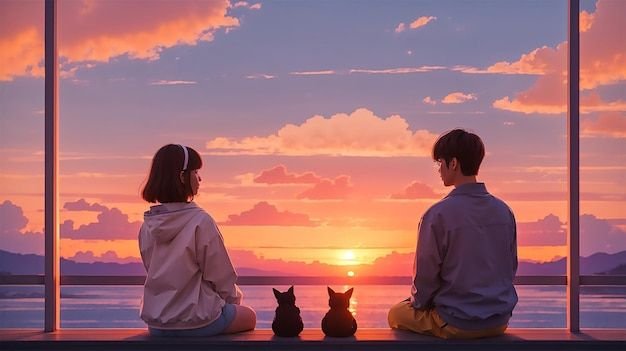
Light is everything. It sculpts faces, sets mood, and guides the viewer’s eye. We treat lighting as a language — one that can whisper intimacy or shout intensity.
Our lighting approach varies based on the vibe:
- Soft lighting for romantic or emotional tones.
- High contrast lighting for drama or suspense.
- Natural lighting for realism or authenticity.
- Colored gels for futuristic or stylized scenes.
We experiment with shadows, silhouettes, and backlights. Even the time of day we shoot (like golden hour) can enhance a video’s mood. Lighting doesn’t just brighten the scene — it deepens the story.
4. Camera Work: Framing Emotion with Intention
Cinematic visuals aren’t just about what’s in front of the camera — they’re about how you move it, frame it, and focus it.
Some techniques we use to shape visual vibes:
- Slow-motion for elegance and emphasis
- Tracking shots for movement and depth
- Wide shots to create scale and atmosphere
- Close-ups for emotional intensity
- Handheld footage for raw, documentary-style storytelling
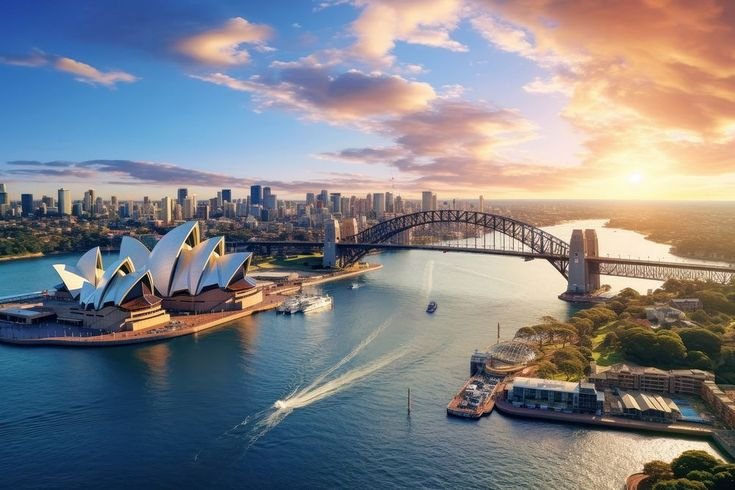
Each decision — lens choice, frame rate, composition — is intentional. For example, a wide-angle lens might distort a close-up for dramatic effect, while a telephoto lens can isolate a subject with cinematic softness.
We don’t just shoot scenes. We craft visual feelings.
5. Direction: Bringing Authentic Vibes to Life
Directing is more than giving instructions. It’s about creating an environment where people feel comfortable and natural — because real emotions make real videos.
When working with people on camera — whether actors, clients, or models — we focus on:
- Creating a relaxed atmosphere
- Giving emotional prompts, not just technical cues
- Letting natural moments unfold
- Capturing behind-the-scenes spontaneity when the best smiles and glances happen
Sometimes, the best visuals happen when the subject forgets the camera is even there. That’s when the real vibe happens.
6. Audio & Music: Letting the Sound Match the Mood
Visual vibes don’t exist in silence. Sound and music are vital to how a video feels.
Our sound process includes:
- Selecting or composing music that reflects the story’s heart
- Capturing clean on-set audio for interviews or ambient moments
- Using sound design (whooshes, textures, drones) to enrich transitions and emotions
Music drives pace and energy. A powerful scene can feel flat with the wrong track — or absolutely magical with the right one. We often edit visuals around the beat, creating harmony between sound and sight.
7. Post-Production: Where the Vibes Come Alive
Once shooting is done, we enter post-production — the stage where all the pieces come together to form a complete story. This is where the vibe becomes fully realized.
Our editing workflow includes:
- Sorting and selecting clips that match the planned narrative
- Cutting to rhythm so pacing feels natural and engaging
- Color correction and grading to stylize the mood
- Adding transitions, overlays, and graphics as needed
- Final sound mixing to balance voice, music, and effects
Color grading is a particularly important part of visual vibes. A warm golden tint can make a video feel nostalgic, while a blue tone can evoke calm or sadness.
We obsess over details — because in cinematic storytelling, the smallest adjustment can change the entire emotional impact.
8. Revisions & Client Collaboration
We believe in collaborative storytelling. Once a first draft is ready, we share it with clients or creative partners to gather feedback.
Sometimes the client wants a scene slowed down, a different song, or a brighter look. We listen. But we also explain our creative choices — every cut, angle, and tone has a purpose.
The goal is always the same: protect the vibe while delivering the vision.
9. Final Delivery & Beyond: Sharing the Vibe with the World
After final tweaks, we render out high-quality versions for different platforms — YouTube, Instagram, reels, ads, etc. Each platform may require different aspect ratios, lengths, or formats.
We often also help with:
- Thumbnails and cover designs
- Captions or subtitles
- Launch strategy suggestions
Once it’s live, it’s not just a video. It’s a vibe people can experience, remember, and share.
Conclusion: More Than Just a Video
Creating visual vibes isn’t just about making things look “cool.” It’s about being intentional, emotional, and immersive at every stage of the video creation process.
From the first idea to the final export, we treat every project like a story that deserves to be felt — not just seen. That’s what makes our process different. That’s what makes it cinematic.
So the next time you watch one of our videos, know that there’s a deeper layer behind the visuals — a process filled with passion, planning, and a commitment to visual vibes that truly connect.
If you want to know more tips:Contact