
Video Shoot Vibes: Creating Cinematic Excellence
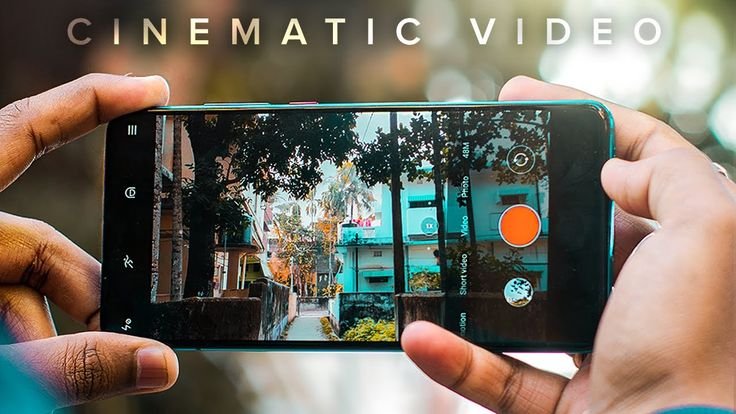
In the fast-evolving world of digital content, where videos dominate social media feeds, brand campaigns, and entertainment platforms, standing out takes more than just good footage. It takes cinematic Video — a deliberate blend of visual style, storytelling, emotion, and vibe. That “vibe” isn’t just a feeling; it’s the soul of the shoot. It’s what transforms an ordinary video shoot into a lasting impression.
In this blog, we’ll unpack what goes into creating those unforgettable video shoot vibes, and how video creators — from freelancers to full-scale production teams — elevate their work to cinematic quality.
1. What Is “Cinematic Excellence”?
Cinematic excellence doesn’t mean replicating Hollywood. It means creating a visual experience that feels immersive, emotional, and intentional. It’s about storytelling through light, movement, sound, and composition.
Whether you’re filming a brand ad, a wedding video, a music video, or a travel vlog, the goal is the same: make it feel like a story, not just a recording. That’s where the vibe comes in — the mood, tone, rhythm, and aesthetic that define the entire piece.
2. It All Starts with Mood and Story
Before you hit record, ask yourself:
- What emotion should the viewer feel?
- Is the story romantic, exciting, mysterious, fun, or dramatic?
- What colors, sounds, and movements support that emotion?
Setting the tone before you even plan your shots will shape your approach to everything else: camera angles, lighting, music, pacing, and editing style.
For example:
- A dreamy wedding film calls for warm lighting, soft focus, and gentle music.
- A gritty street-style shoot might use handheld cameras, natural lighting, and raw transitions.
- A high-energy product video might include rapid cuts, vibrant colors, and tight close-ups.
Vibe = Vision + Intentional Choices.
3. Location: The Scene Sets the Vibe
Your choice of location plays a huge role in the cinematic feel. Every background tells a story — whether it’s an abandoned warehouse, a sunlit beach, or a cozy café. Think of your location as a silent character in your film.
To create the right vibes:
- Scout places that match your story’s tone.
- Observe how natural light hits the location during different times of day.
- Look for textures, colors, and depth that add visual interest.
Sometimes, even the most unexpected spaces — like a rooftop or alley — can give your video that raw, authentic charm if framed creatively.
4. Lighting: Painting with Shadows and Light
Light is emotion. It’s the brushstroke that shapes how your video feels.
Here’s how lighting sets cinematic vibes:
- Soft, diffused lighting = romantic, calm, elegant
- Harsh, directional lighting = dramatic, intense
- Backlighting = dreamy, surreal
- Low lighting = mysterious, moody
- Natural lighting = organic, realistic
Cinematic creators manipulate light using softboxes, reflectors, LED panels, or just the sun. Golden hour — the time right after sunrise or before sunset — is a favorite for its warm, glowing effect that enhances any shot.
Remember: great lighting makes average footage look pro. Poor lighting can ruin even the best composition.
5. Movement and Camera Work: Flow Matters
The way a camera moves can make a video feel alive or static. Smooth, cinematic movement adds energy, while thoughtful stillness adds intensity.
Some techniques to shape your shoot’s vibe:
- Tracking shots (following a subject) = immersive
- Push-ins/zoom-ins = emotional focus
- Handheld shots = raw, gritty realism
- Slow motion = elegance, drama
- Drone shots = epic, cinematic scope
Modern video creators also experiment with whip pans, gimbal stabilizers, and even intentional shake — not for chaos, but to convey energy and realism.
The trick is not to overdo it. Every movement should serve the story or emotional goal.
6. Styling, Color, and Wardrobe
Cinematic excellence extends beyond camera settings — it lives in the art direction.
- Color palettes set the mood: blues and greys for cold/sadness, oranges and browns for warmth/nostalgia.
- Wardrobe choices influence tone and realism — casual clothes for authenticity, formal wear for elegance, bold colors for high energy.
- Props add detail and atmosphere, helping the scene feel lived-in.
When styling matches the emotional tone, the result is cohesive and believable — that’s what creates vibe.
7. Directing: Bringing the Scene to Life
Video shoot vibes depend heavily on the people in front of the camera. Whether you’re filming actors, models, or real clients, direction is everything.
Good video creators:
- Help subjects feel comfortable and confident
- Give clear emotional cues (“Look hopeful,” “Laugh naturally,” “Slow your movement”)
- Let moments unfold naturally instead of over-directing
Cinematic magic often lies in unscripted reactions — a glance, a breath, a smile. Being ready to capture those subtle moments takes awareness and patience.
8. Sound Design and Music: Feel It Without Seeing It
Never underestimate audio. Music and sound design shape more of the viewer’s emotion than visuals alone.
Here’s how audio elevates your video:
- Music sets rhythm and mood (uplifting, suspenseful, romantic, etc.)
- Sound effects add realism and immersion (footsteps, wind, city sounds)
- Silence is powerful too — use it to highlight emotion or transition
Choose or compose tracks that match your story’s heart. Use cinematic scoring for depth, ambient textures for atmosphere, and vocals only when they support the visual mood.
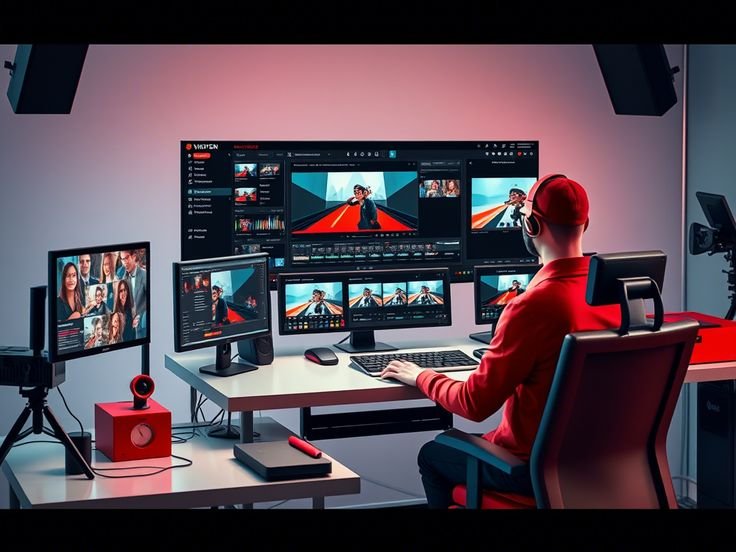
9. Editing: Where the Vibes Come Alive
Editing is where every piece comes together. It’s more than cutting footage — it’s storytelling.
A great edit:
- Follows a rhythm (slow or fast based on vibe)
- Matches music beats with visual cues
- Uses smooth transitions that feel invisible
- Enhances emotion with color grading, effects, and pacing
Color grading, in particular, is a key part of cinematic vibes. Cool tones vs. warm tones, contrast levels, and saturation — all these affect how your video is perceived emotionally.
Use LUTs (Look-Up Tables) or custom grades to create a signature look and feel for your work.
10. The Creator’s Energy: Setting the Tone
Finally, the vibe of a shoot is also set by you — the video creator.
Your attitude, energy, and approach directly influence your team and your subject. If you’re calm, creative, and focused, that positivity flows into the shoot. If you’re stressed and rushed, the final product may reflect that.
Cinematic excellence is not just technical skill — it’s leadership, vision, and human connection.
Conclusion: Crafting the Vibe Is the Art
Creating cinematic excellence isn’t about expensive gear or huge crews. It’s about intention. It’s about understanding the emotional core of your story and shaping every creative decision — from lighting to editing — to support that vibe.
So whether you’re shooting a heartfelt love story, a bold fashion film, or a powerful brand message, remember this:
Cinematic vibes don’t happen by accident. They’re crafted, frame by frame, with care, passion, and vision.
When you tune into the story, the emotion, and the feeling — that’s when your videos become unforgettable.