
Behind the Scenes: The Real Work of a Video Creator contact
When we watch a captivating video — whether it’s a cinematic short film, a brand commercial, or a viral reel — it’s easy to get lost in the final product. What often goes unnoticed, however, is the immense amount of work that takes place behind the scenes. The life of a video creator is not just about pointing a camera and pressing record. It’s a complex, multi-layered process filled with creativity, technical skills, and relentless dedication.
In this blog, we’ll explore the real work of a video creator — from concept development to post-production — and reveal the craft, hustle, and heart that go into every frame.
1. The Concept: Where It All Begins
Every video begins with an idea. But transforming an idea into a compelling visual story is a craft in itself. Whether working on a client project, a personal short film, or a promotional piece, a video creator starts by asking:
- What is the story?
- Who is the audience?
- What is the message or goal?
This is where scriptwriting, brainstorming sessions, and creative planning come into play. A good creator dives deep into the emotion behind the message, crafting a narrative that resonates with the target audience.
Behind the scenes, this often involves:
- Researching trends and competitors
- Writing scripts or outlines
- Storyboarding scenes
- Creating shot lists
- Pitching ideas to clients or collaborators
The pre-production phase is foundational — without a clear plan, even the most expensive camera won’t save a shoot.
2. Scouting & Scheduling: Preparing for the Shoot
Once the concept is clear, the logistics come in. This includes:
- Location scouting: Finding the perfect visual backdrop
- Casting talent: Choosing actors or models who bring the story to life
- Scheduling: Coordinating crew availability, gear rentals, and daylight hours
- Permits & Permissions: Securing legal rights to shoot in public or private locations
This is where a video creator transforms into a project manager, solving problems before they even arise. It might involve waking up at 5 AM to catch golden hour, rearranging scenes due to unexpected rain, or negotiating access to a rooftop for that perfect drone shot.
3. The Gear Setup: More Than Just a Camera
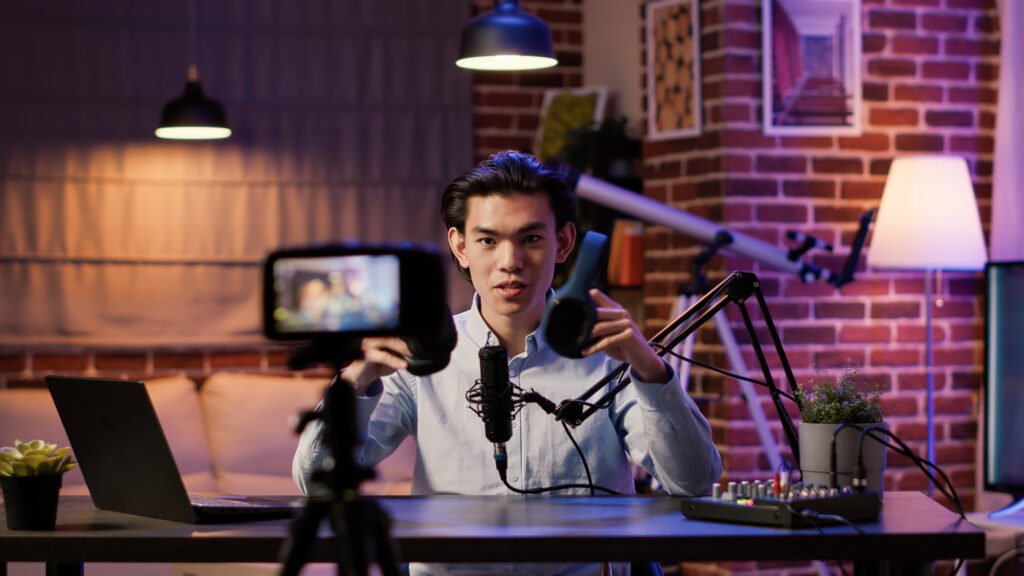
Many viewers think a camera is all it takes. But step behind the scenes, and you’ll find an entire ecosystem of gear at play:
- Cameras (DSLR, mirrorless, cinema)
- Lenses for different perspectives
- Gimbals and stabilizers for smooth motion
- Tripods and sliders for controlled shots
- Drones for aerial views
- Lighting kits and reflectors
- Microphones and audio recorders
Each piece must be tested, set up, and calibrated for the scene. One battery failure or lens smudge can ruin an entire shot.
Video creators must also think about continuity, making sure every frame aligns with the next — in color, lighting, movement, and emotion. This meticulous attention to detail is what makes the final product feel seamless.
4. The Shoot: Precision Meets Creativity
Now comes the action — the shoot itself. This is the most visible part of a video creator’s work, but even here, it’s not all glamour.
On set, creators are juggling:
- Camera angles
- Lighting conditions
- Actor performances
- Shot timings
- Environmental noise
- Weather changes
- Technical issues
They have to direct the scene, adjust framing on the fly, monitor audio levels, and ensure they’re capturing everything needed for the final edit. All while keeping energy high and adapting quickly.
Shooting days can last 10-12 hours, often in uncomfortable conditions — from scorching sun to freezing rooftops. Yet, creators do it all to capture that one perfect take.
5. The Post-Production Grind
Many people assume that once shooting wraps, the job is done. In reality, post-production is where the magic truly happens — and often where the most hours are spent.
Here’s what goes on behind the editing timeline:
- Footage Review: Going through hours of raw clips
- Cutting & Trimming: Crafting the story, shot by shot
- Color Correction & Grading: Making the visuals look cinematic
- Sound Design: Cleaning audio, adding effects, music, and voiceovers
- Motion Graphics: Titles, text overlays, animations, and branding
- Revisions: Making edits based on feedback from clients or collaborators
A 2-minute video might take 20+ hours to edit, depending on complexity. Video creators need a keen eye for detail and the ability to stay patient and focused for long stretches of time. Creativity must meet technical precision.
6. Client Communication & Delivery
Another major behind-the-scenes task is working with clients. A professional video creator knows how to:
- Set clear expectations
- Explain the creative vision
- Manage feedback diplomatically
- Deliver files in proper formats and resolutions
Sometimes, multiple rounds of revisions are needed before everyone is happy. Creators must find the balance between honoring their artistic instincts and satisfying client objectives — all while staying on schedule.
7. Marketing, Branding & Hustle
Especially for freelance or independent creators, the job doesn’t stop with delivery. They also have to market themselves, including:
- Creating demo reels
- Managing social media
- Building a portfolio website
- Responding to inquiries and proposals
- Networking with potential clients
The real work of a video creator includes hours spent outside the editing suite — attending meetings, pitching projects, and constantly learning new trends or software to stay relevant in a fast-moving industry.
8. The Passion That Powers It All
Amid all the gear, deadlines, and edits, what really keeps a video creator going is passion. The love for storytelling. The thrill of capturing a raw moment. The satisfaction of seeing an idea come to life on screen.
It’s not an easy job — it’s often exhausting, unpredictable, and underappreciated. But for true creators, it’s a calling.
If you want to know more tips contact
Conclusion: More Than Meets the Eye
Being a video creator is not just a job — it’s a craft, a business, and an adventure rolled into one. What the audience sees is a polished final video. What they don’t see is the hours of planning, filming, problem-solving, editing, and passion poured into every second.
So the next time you watch a beautiful short film, a viral ad, or a YouTube vlog — take a moment to appreciate the silent story that unfolds behind the camera. That’s where the real work happens. And that’s where the magic begins.