Capturing the Perfect Shot: Lights, Camera, Magic
In the world of visual storytelling, whether it’s through film, photography, or videography, there’s one pursuit that unites all creators: the quest for the capturing the perfect shot. It’s that one moment when the lighting, the angle, the subject, and the emotion align to create something truly magical. But what really goes into capturing the perfect shot? It’s more than luck — it’s an art form that combines vision, planning, technology, and instinct. Let’s take a deep dive into the magic behind the camera.
1. It Starts with a Vision
Every perfect shot begins in the mind. Before the camera is turned on or the subject is framed, a vision takes shape. This vision could be a single mood, a story, a feeling, or even just a moment in time. The key is to understand the why behind the shot. What are you trying to express? Is it romance, drama, joy, power, silence, or movement? That emotional core will drive every decision — from location to lens.
2. Lighting: The Secret Ingredient
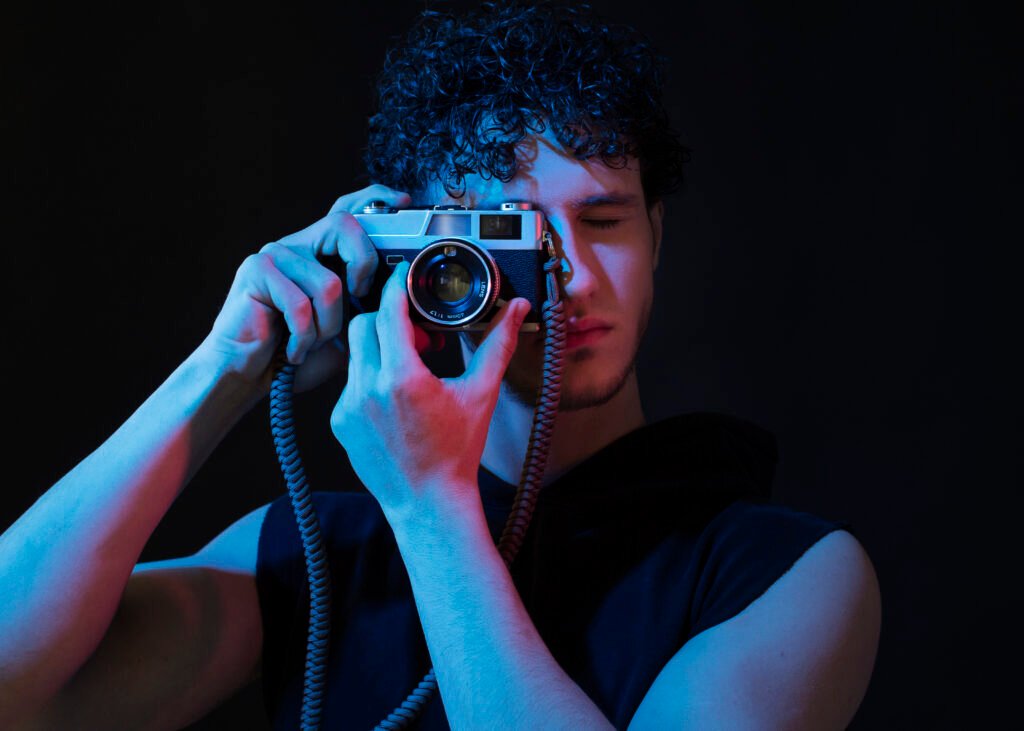
Light is perhaps the most powerful tool in a visual creator’s kit. With the right lighting, even the simplest scene can be transformed into a cinematic masterpiece. It defines mood, reveals texture, and guides the viewer’s eye.
There are different types of lighting styles — soft, harsh, natural, artificial, key light, fill light, and backlight. Each plays a unique role. For example, soft natural light during golden hour can make portraits glow with warmth, while harsh side lighting can create dramatic shadows in a suspenseful scene.
Controlling light, whether through modifiers like softboxes, reflectors, or using the sun creatively, is essential. A perfect shot often comes down to understanding how light behaves and using it intentionally.
3. The Camera: A Tool, Not the Hero
Many believe that having the best gear guarantees the best shot. While equipment matters, it’s only a tool — not the hero of the story. Understanding how to use your camera to translate your vision is more important than the model itself.
Know your camera’s settings: aperture, shutter speed, ISO, white balance, and focus. These elements affect how light is captured, how movement is frozen or blurred, and how the depth of field isolates or blends elements in the frame.
A well-composed shot with a basic camera will always outperform a poorly composed shot on a high-end camera.
4. Composition: Framing the Story
Composition is the language of visuals. It determines how elements are arranged within the frame and how they guide the viewer’s eye.
Some key composition rules include:
- Rule of Thirds – placing the subject off-center for dynamic balance
- Leading Lines – using lines in the environment to draw the viewer to the subject
- Symmetry & Patterns – creating aesthetic balance or visual interest
- Negative Space – giving the subject breathing room to stand out
Breaking these rules creatively can also lead to unique and memorable shots. The perfect composition enhances storytelling — it makes the viewer feel what you want them to feel.
5. Timing is Everything
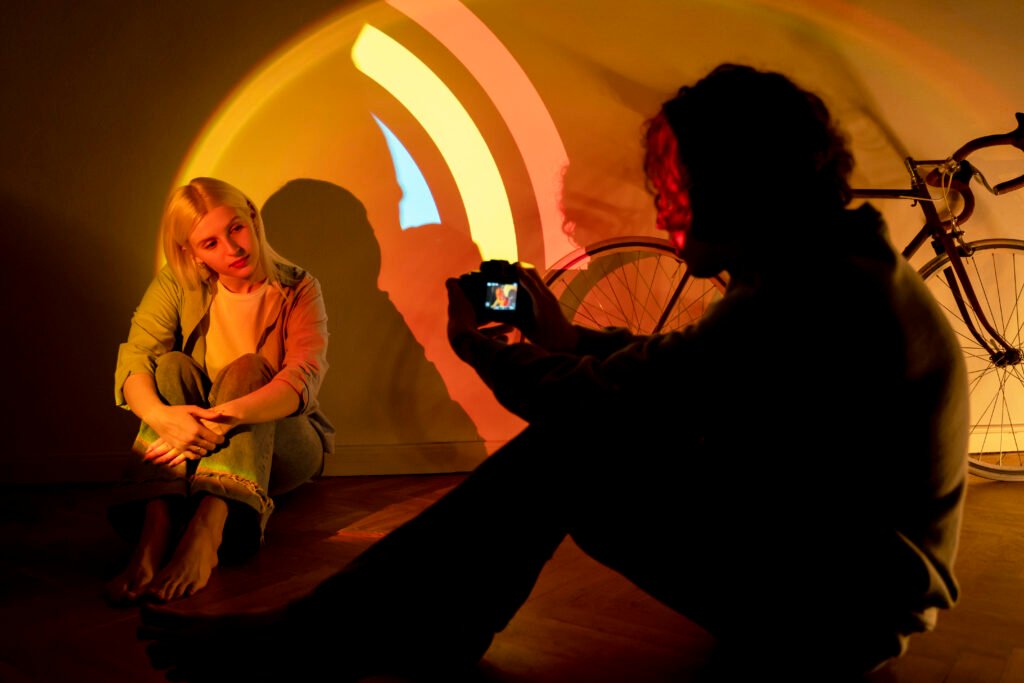
Sometimes, the perfect shot is about timing — waiting for the exact second when the light hits just right, when the subject expresses a genuine emotion, or when action peaks.
Whether it’s capturing a bride’s tearful smile, a dancer mid-leap, or a wave crashing against rocks, that moment is fleeting. Being prepared and anticipating action is key.
Professional videographers and photographers often say, “Shoot with intention, but stay ready for the unexpected.”
6. Post-Production: Where the Magic is Refined
Even the best raw footage or photographs need polishing. Post-production — through editing, color grading, or retouching — enhances the original shot and brings out its full potential.
Color correction ensures consistency, while grading adds mood. Cropping can improve composition. Audio adjustments (for video) and background music enhance immersion.
But remember: editing is not about fixing mistakes — it’s about finishing the vision.
7. The Human Element: Emotion and Connection
Technical mastery is essential, but what truly makes a shot “perfect” is its ability to connect with people. Emotion is the heart of every great frame. A perfectly lit, well-composed, high-resolution image can still feel empty if it doesn’t evoke feeling.
That’s why directing your subject, building trust, and capturing authenticity matters. A genuine laugh, a look of wonder, or an unscripted glance can elevate a shot beyond the ordinary.
If you want to know more tips, Contact
Conclusion: The Magic Is Real
Capturing the perfect shot is a blend of art and science. It’s not just pressing a button — it’s understanding light, mastering composition, controlling your tools, and, above all, telling a story. Whether you’re behind the camera for a short film, a wedding, a travel vlog, or a brand campaign, the principles remain the same.
Lights set the stage, the camera records the vision, and the magic? That’s the part only you can create.
So next time you’re behind the lens, remember — every frame holds the potential for magic. All it takes is vision, patience, and passion to bring it to life.